
Blog
How To Choose the Best Fishing Hooks – Tips for Fishing in South Africa

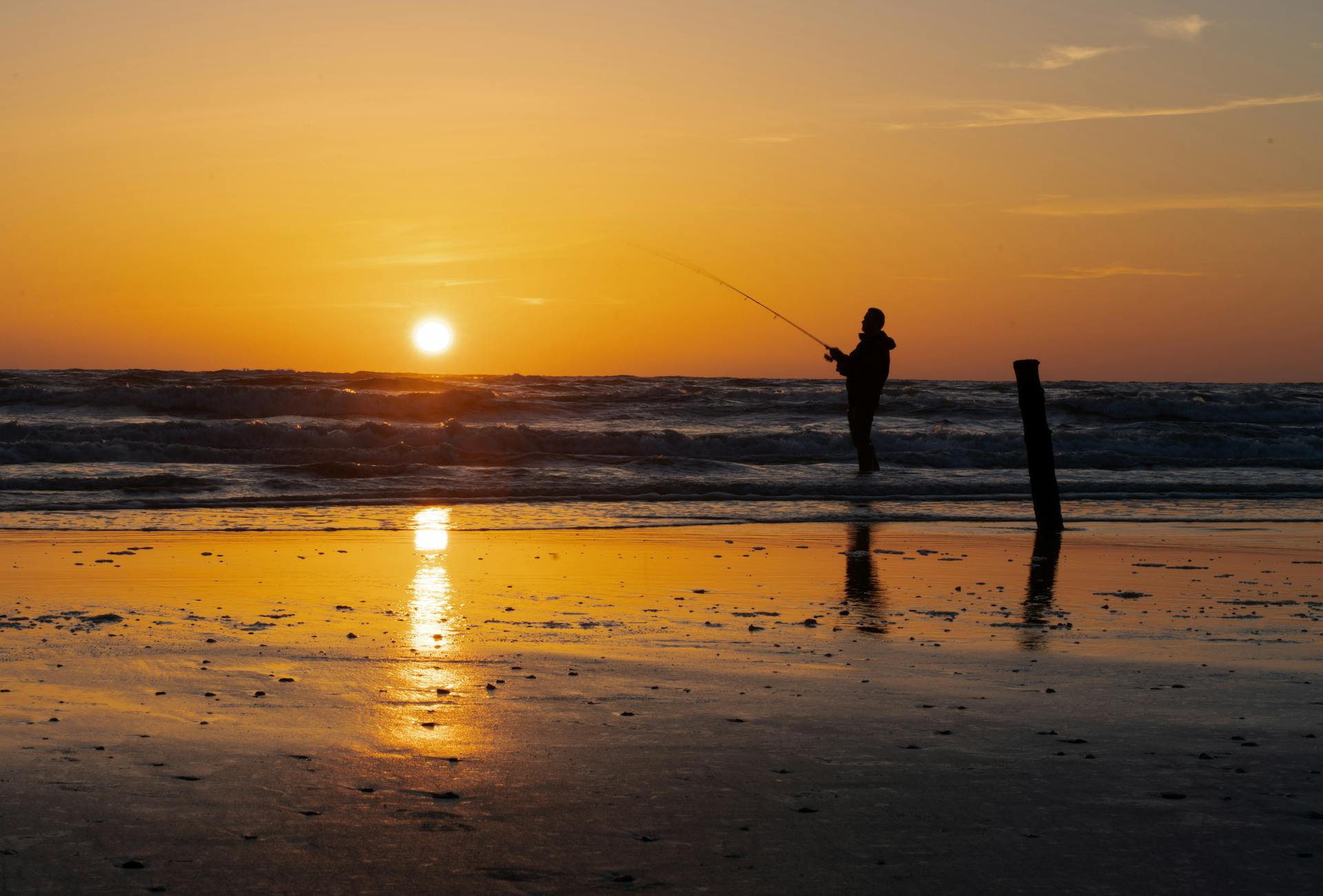
If you’re an angler in South Africa, chances are you’ve come across the name Jacita Tackle and Outdoor. Whether you’re casting from the rocks in Hermanus or after bass in the Vaal Dam, the right hook can turn a quiet afternoon into a catch worth shouting about. Let’s break down everything you need to know about fishing hooks, from basics to expert tips backed by advice from one of South Africa’s most trusted tackle suppliers.
Who We Are: The Jacita Tackle Story
Jacita Tackle and Outdoor began as a modest tackle shop with a simple mission—make reliable, quality gear accessible to local anglers. Over the years, we’ve become a go-to store for anglers nationwide.
What makes us different? We don’t just sell gear, we know what works. Our team stays current with trends, tests new products, and listens to local anglers’ needs. With flexible payments through Payflex, you can buy now, fish now, and pay later, interest-free.
The Basics: What Makes a Good Fishing Hook?
Hooks might be small, but they do the heavy lifting. And not all are created equal.
- Saltwater vs Freshwater Hooks: Saltwater fishing requires corrosion-resistant hooks, often coated in tin, nickel, or made from stainless steel. Freshwater hooks focus more on strength and sharpness.
- Size and Shape: Bigger hooks (4/0 to 10/0) suit large species such as kob, sharks or tuna. Medium size hook (1/0 to 3/0) for species like galjoen, cape briem or black tail. Smaller sizes (6 to 1) are better for trout, tilapia or carp. Shape matters too. Circle hooks are great for releasing fish safely, while J-hooks offer a quicker strike.
- Types of Hooks:
- J-Hooks: A classic all-rounder
- Circle Hooks: Ideal for conservation and deep-sea fishing
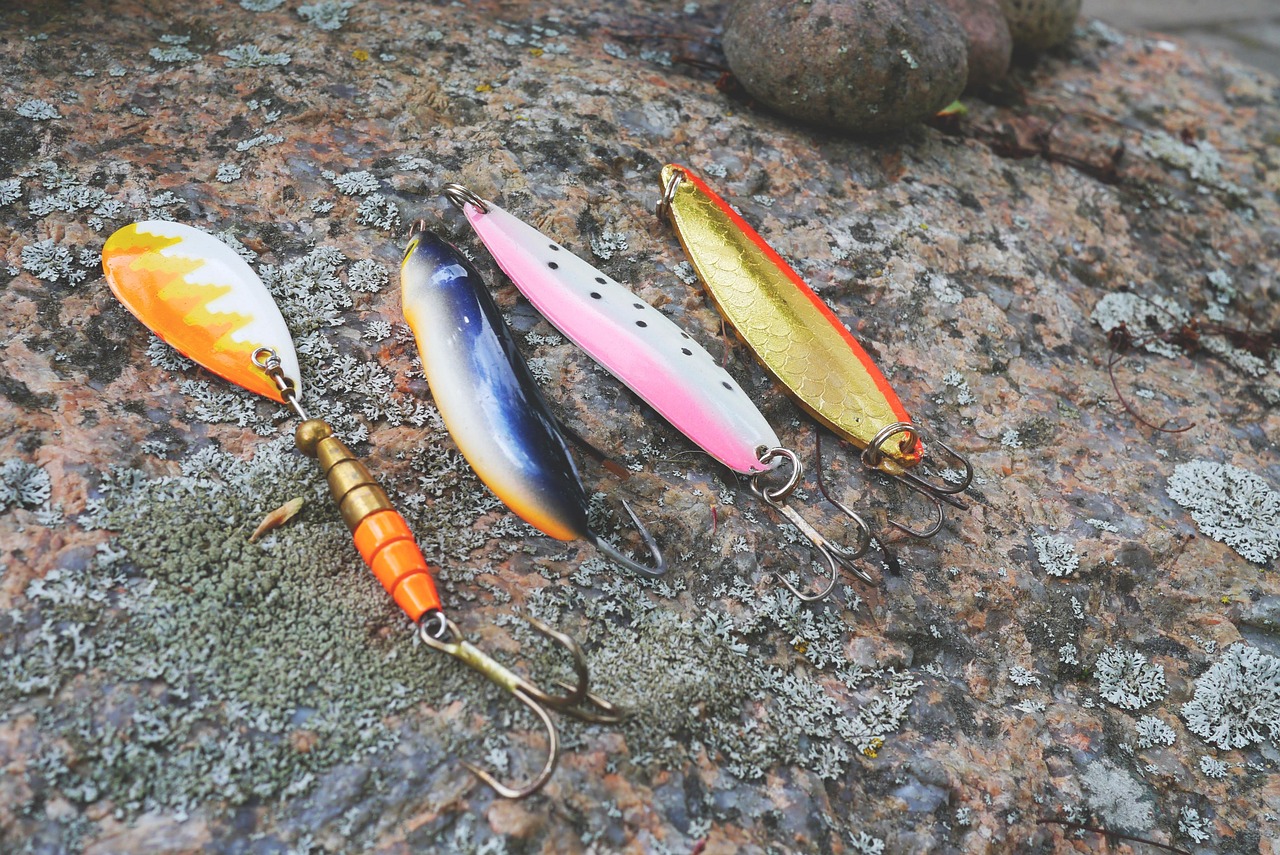
- Treble Hooks: Used on lures for species like bass or tigerfish
- Bait Hooks: Best for worms, sardines, chicken liver and other natural bait
Saltwater Fishing: Get It Right the First Time
From shad in KwaZulu-Natal to yellowtail off the Cape, your hook can make or break your outing.
- Top Choices: Circle hooks work well when targeting tuna or geelbek from a boat. J-hooks with longer shanks are ideal for surf fishing, where mussels or squid are used. Rock anglers often use short, strong bait hooks to prevent snagging.
- Rust Prevention: Rinse hooks in fresh water after each saltwater trip. Dry them thoroughly before storing in your tackle box. You can store your hooks in flour as well.
- Common Challenges: Many beginners choose hooks that are too small or flimsy hooks for the fight. Match your hook to the fish you’re chasing, no cutting corners.
Freshwater Tips: Know Your Waters
Hook choice matters whether you’re flicking a line in a berg stream or setting up for barbel in a dam.
- For Bass: Use wide-gap worm hooks between 2/0 and 4/0, especially with soft plastics.
- Carp and Barbel: Bait hooks paired with mielies, boilies, or liver work brilliantly.
- Catch-and-Release: Barbless circle hooks do less harm and keep the fish healthy for another fight.
- Fishing Methods: Fly fishing requires light, sharp single hooks. Lure anglers use trebles, while bait fishers use straight-shank or offset hooks.
Materials and Coatings: What Lies Beneath
- Carbon Steel: Exceptionally sharp, but needs protection from rust.
- Stainless Steel: More rust-resistant, though not quite as sharp.
- High-Carbon Hooks: Offer a good balance of durability and sharpness.
Modern coatings like nickel, tin, black chrome, or Teflon increase corrosion resistance and reduce friction. Always keep hooks sharp—if one doesn’t scratch your thumbnail, sharpen it or throw it away.
Match the Hook to the Bait
- Live Bait: Circle or bait-holder hooks work best with sardines or worms.
- Artificial Lures: Treble hooks pair well with crankbaits or spinners. Offset worm hooks are ideal for soft plastics.
- Fly Fishing: Look for barbless, fine-wire hooks that keep things subtle and accurate.
- Rigging Advice: Use sliding sinker traces or pulley rigs with circle hooks in saltwater. For freshwater, try the hair rig for carp or drop-shot rigging for bass.
Hook Care: Make Them Last
- Store in a dry, sealed container with moisture-absorbing packets or rust-proof foam.
- Never leave used hooks wet in your tackle bag.
- Signs of wear? Replace any hook with a bent tip, flaking coating, or blunt edge.
Customer Favourites and Trusted Brands
At Jacita, we stock well-known hook/lure brands like Mustad, VMC, Gamakatsu, BKK, Trident, SSH, Adrenalin and Daiichi all of which have been tried and tested in South African waters. Our Mustad Circle Demon range is a firm favourite for shore anglers, mustad kendal hooks for boat anglers, while bass fanatics love the Mustad big mouth hooks.
Not sure what to choose? Our team is here to help. We’ll help you find the perfect hook for your next in-store or online trip.
Hook/lure selection can be the difference between a full cooler and a frustrating day. Consider your target species, water conditions, and bait or lure style. Match these with the right hook, and you’re already halfway to success.
Need the right tackle to make it happen? Visit Jacita.co.za and browse our full fishing hooks. lures and gear collection. With Payflex, you can kit yourself out today and pay for four easy installments. Simple, affordable, and perfect for anglers who like to stay ready.


